




News and views

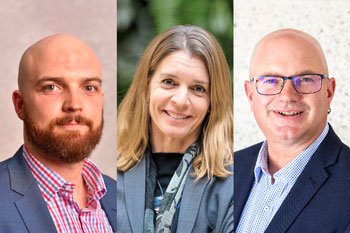
Academy announces new senior leaders
The Australian Academy of Science is pleased to welcome three new appointments to senior roles: Dr Petra Lundgren, Director of Future Earth Australia; Zach Ghirardello, Director, Diversity and Inclusion and Andrew Hood, Chief Information Officer.

Social media
The Academy is very active on social media, with around 2.5 million followers across our channels. We are an engaging, authoritative and reliable source of information on many things science-related for a broad audience, and an effective counter to misinformation where it’s needed. We invite you to follow us.
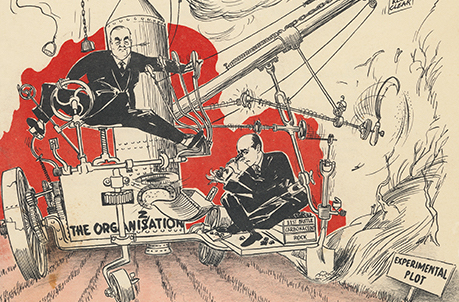
Academy manuscript collection of ‘immense research significance’
The archives of the Australian Academy of Science hold a rich and varied collection of unpublished and primary source materials documenting the history of science in Australia. Over its 60-year history, the collection has evolved into a substantial resource providing a rare and valuable window into Australian scientific discovery in the nineteenth and twentieth centuries.
From humble beginnings to Australian science leader
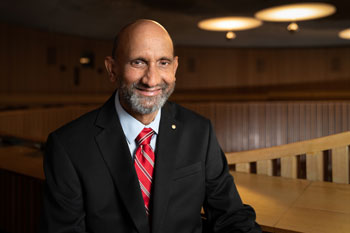
Nanotechnology pioneer Distinguished Professor Chennupati Jagadish AC FAA FTSE will become the next President of Australia’s premier science organisation, the Australian Academy of Science.
Max Day awardees aim to safeguard culture and change behaviours
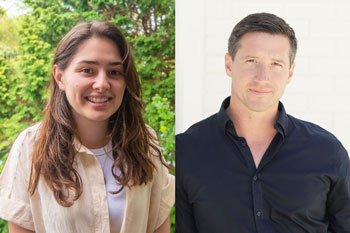
Two early-career researchers have each been awarded a 2022 Max Day Environmental Science Fellowship for their highly interdisciplinary research work to protect the environment. Ms Bridget Campbell is a PhD candidate at Macquarie University and Dr Brock Bergseth is a research fellow at James Cook University.
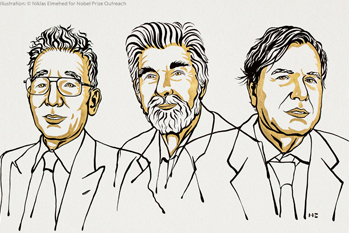
The 2021 science Nobel Prizes: Academy Fellows respond
This week the three prestigious Nobel Prizes for science were announced for the fields of Physiology or Medicine, Physics, and Chemistry. Here’s how some of the Academy’s Fellows responded to the announcement.
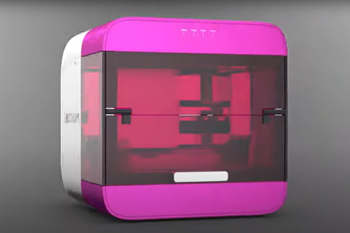
Team responsible for cancer research breakthrough wins Eureka Award
A breakthrough bioprinting system that can rapidly produce 3D cell structures is set to be a game-changer for cancer research and therapeutic development.
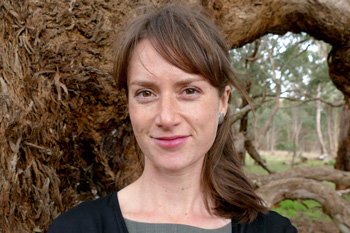
Moran Award to help study history of mining toxicity and environmental justice
Dr Lilian Pearce from the Centre for the Study of the Inland at La Trobe University is the recipient of the Academy’s 2022 Moran Award for History of Science Research.