Academy Newsletter 198: November–December 2025

Australian Academy of Science Newsletter Novermber-December 2025 Number 198

Message from the President

Thank you for your interest in and support of the Academy’s activities this year.

2025 in review: a future focus for Australian science

The Academy strived to boldly shape Australian science, research and innovation for decades to come.

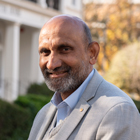
Professor Chennupati Jagadish

President's speech – Australia's choice: science and technology in an era of disruption

“Australia’s scientific and technological capability must be strong, secure and strategic.”

An air quality monitor on a table displays the reading of 621 ppm

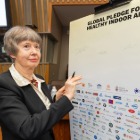
Time to act to improve the air we share indoors

A new report provides the latest scientific evidence to improve indoor air quality in Australia.

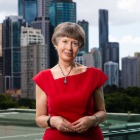
Woman standing on a balcony in a red dress

Academy Fellow receives top national science prize

Distinguished Professor Lidia Morawska FAA FTSE has been awarded the Prime Minister’s Prize for Science.

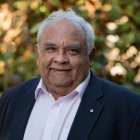
Professor Tom Calma

Academy leads Australian delegation to Indigenous knowledge summit in Aotearoa New Zealand

This is the second summit of the Tri-Academy Partnership on Indigenous Engagement.

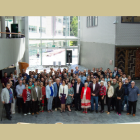
Joint statement from the Presidents of the Tri-Academy Partnership

“We recognise that as learned academies and societies, we can play an important advocacy role within the broader academy.”

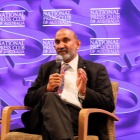
Professor Chennupati Jagadish

CSIRO job cuts: transcript of ABC News Radio interview with Academy President

“We also need to ensure that research and science is seen as an investment, not as a cost.”

National AI plan highlights the critical role of Australian science

The plan highlights how AI can benefit Australians, including through innovations made possible from Australian science.

A huge win for evidence-informed decision-making and the environment

The Kosciuszko Wild Horse Heritage Act 2018 has been repealed.

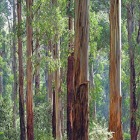
Eucalyptus trees

Environmental law reforms deliver positives, but still fall short

Decisions about the environment must be informed by science.

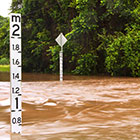
Road flood markers

Scientists say we are not on course to meet Paris Agreement climate goals

We must rise to the challenges presented by overwhelming scientific evidence.

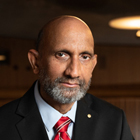
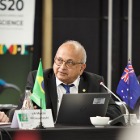
Professor Surinder Singh

Science20 statement calls for urgent, science-driven action to protect the wellbeing of people and ecosystems

The Australian Academy of Science has endorsed the Science20 (S20) 2025 statement, Climate change and well-being.

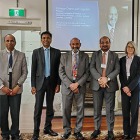
Group of people standing in front of screen

President's keynote: Strengthening Australia–India science collaboration for a sustainable and resilient future

“What we choose for science today will shape our shared destiny.”

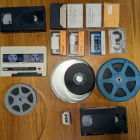
Magnetic tapes

Grant secured to preserve fragile magnetic tape material in the Archives

Rare magnetic tape documenting Australia's scientific heritage will be digitised.

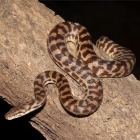
Research round-up: Unravelling serpentine science and epic egret journeys

The Academy is pleased to partner with CSIRO Publishing Journals to champion Australian science excellence.

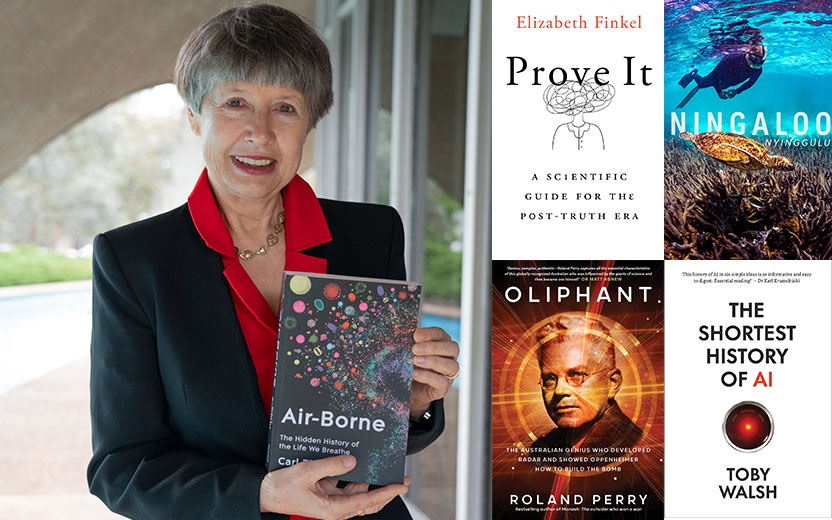
Top scientists share their summer reading picks

Spark your curiosity, make a fresh discovery or immerse yourself in a new world this summer with reading, listening and viewing recommendations from some of Australia's top scientists.

As part of a tradition now in its 10th year, Fellows of the Australian Academy of Science reveal what media have kept them captivated ahead of the summer holidays.

Academy Fellow and winner of the 2025 Prime Minister’s Prize for Science, Professor Lidia Morawska, owns multiple copies of the “fascinating and important” Air-Borne: The hidden history of the life we breathe by Carl Zimmer.

Check out a taster of the picks or browse the full list.


Submissions to government

The Academy recently made the following submission to government:


Opportunities for scientists

2026 nominations for the Prime Minister’s Prizes for Science are now open

Who will you nominate that inspires you? Learn more about the nomination process on business.gov.au: 

Nominations of candidates from diverse backgrounds are encouraged. This includes personal and cultural backgrounds, disciplines, career stages and geographic regions.

Nominations close 18 December 2025.


Oceans 2

Are you an oceans researcher?

The Belmont Forum has launched its Ocean 2 funding call!

Australia is engaged in this international initiative, and there are opportunities for researchers or institutions to collaborate on project proposals. Research themes include:

  • biodiversity conservation and nature-based solutions
  • ocean-biodiversity-climate integration
  • nature futures, ocean governance, and ethics for sustainability
  • southern oceans and Antarctica.

Registrations are due 5 March 2026.

Please join the online researcher briefing on Friday 12 December 2025 at 9.30 am AEDT to find out more about the Ocean 2 funding call.

Register to attend the research briefing here

Future Earth Australia is coordinating participation as the member organisation for Australia. Before you begin your application, please contact Kate Nairn, Head of Future Earth Australia, to discuss participation opportunities, proposal development, and potential funding pathways. Email Kate at kate.nairn@science.org.au


Fellows update

Keep abreast of the Academy Fellowship in the Fellows update:

  • Honours and awards to Fellows
  • Obituary – Professor David Stuart Letham FAA
  • Recently published biographical memoir

If Fellows have been recognised with an award, please let us know via fellowship@science.org.au so we can consider including it in the next update.

AI in science

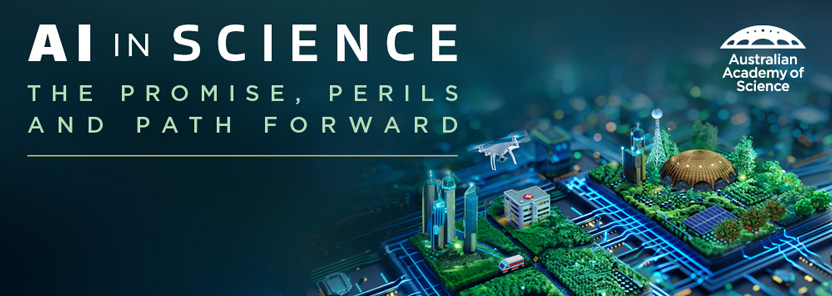
AI in science: the promise, perils and path forward – AI in science and research

From predicting protein structures to analysing complex data, AI is profoundly changing the way scientists work and generate new knowledge.

In this panel discussion, experts from diverse corners of the research ecosystem will discuss how AI is accelerating innovation, the opportunities and challenges it presents, and what this means for trust in science.

  • Dr Stefan Harrer (Data61, CSIRO) connects safe and trustworthy AI systems with human decision-makers in health, biotech and pharma.
  • Professor Karin Verspoor (RMIT University) researches AI methods for biological discovery and clinical decision support, using machine learning to extract insights from the academic literature.
  • Associate Professor Michelle Riedlinger (Queensland University of Technology) is an expert in public engagement and research communication.

Join us for a thought-provoking conversation on the role of AI in the scientific endeavour and what this means for the role of science in society.

Event details

Date: Tuesday 9 December 2025
Time: Canapés and drinks are served from 5.30 pm, with the talks (and the livestream) starting at 6.00 pm AEDT.
Venue: The Shine Dome, 15 Gordon Street, Acton, ACT (and online livestream)
Cost: $20pp ($15pp for students)

Register for this event

Be part of Australia’s scientific and economic future with the Global Talent Attraction Program

The Academy-led Where Science Lives: Global Talent Attraction Program is aimed at recruiting leading scientists from the United States.

This institution- and discipline-agnostic initiative offers competitive relocation packages to attract exceptional talent that could be placed in universities, medical research institutes, research agencies, and industries while focusing on areas of national need.

Embedding brilliant minds within Australia’s R&D system creates a powerful multiplier effect that seeds capability, creates jobs, attracts investment, mentors young scientists and positions Australia as a global innovation leader.

With other countries already pursuing similar opportunities, the Academy is calling on visionary funders to contribute to this nation-building program and be part of Australia’s scientific and economic future.


Donate today

To learn more about giving to the Academy visit our website or contact Kate Groves on (02) 6201 9460 or kate.groves@science.org.au.


The Honorary editor of the Academy newsletter is Professor Yuri Estrin FAA

© 2025 Australian Academy of Science

Top