
The Academy is pleased to partner with CSIRO Publishing Journals to champion Australian science excellence. In this quarterly research round-up series, we feature recent discoveries reported in CSIRO Publishing Journals.
Find out more about CSIRO Publishing Journals
The coastal taipan is an iconic Australian snake known for its deadly venom, large size and storied history. However, its tale of discovery is peppered with errors and omissions.
A new paper, co-authored by Academy Fellow Professor Rick Shine AM, sets the record straight when it comes to how the first coastal taipan specimens were collected and classified by western science.
From the initial 1866 specimen – brought to western science by German-born single mother and natural history collector Amalie Dietrich – to the ensuing decades of taxonomic confusion, Shine and co-author Professor Kevin Markwell clarify this early history.
They also highlight the overlooked contributions of First Nations collectors, including the Aboriginal men who played pivotal roles in collecting some of the earliest and most important specimens.
Read the original research in the Australian Journal of Zoology
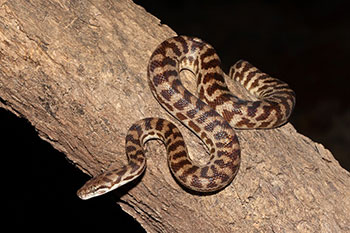
Not one, but three python species in the genus Antaresia live on Cape York peninsula, according to an investigation by a team including 2023 J G Russell Award winner Dr Damian Esquerré.
Using a combination of genetic analysis and careful examination of physical traits – such as scales, colours and patterns – the scientists identified three different species among Cape York Antaresia specimens.
The Papuan spotted python – only described in 2021 from New Guinea – was found in the northernmost tip of the peninsula, confirming the presence of this species on mainland Australia. Further south, the Cape York spotted python and Children’s python live side by side.
The discovery highlights Cape York as a hotspot for python diversity, with eight species now known from the region.
Read the original research in the Australian Journal of Zoology
For the first time, a team of Australian researchers have used GPS to track the flight paths of young egrets as they leave their nests. The data reveal that two wading bird species – plumed egrets and great egrets – can travel vast distances.
All the plumed egrets headed north from their nests in the Macquarie Marshes of New South Wales, with one individual completing a non-stop 38-hour journey from Australia to Papua New Guinea. Great egrets, in contrast, dispersed in all directions.
Understanding where and when these nomadic birds spend their time is important for managing and protecting critical wetland habitat.
© 2026 Australian Academy of Science
